top of page

Contemporary cyanotype
Harness the power of the sun to create beautiful, Prussian blue prints using one of photography's oldest sustainable processes.
For who?
Artists, nature lovers, and the "tech-curious." No prior photography experience is required. This workshop is ideal for those looking to reconnect with tactile, analog processes and explore multimedia art.
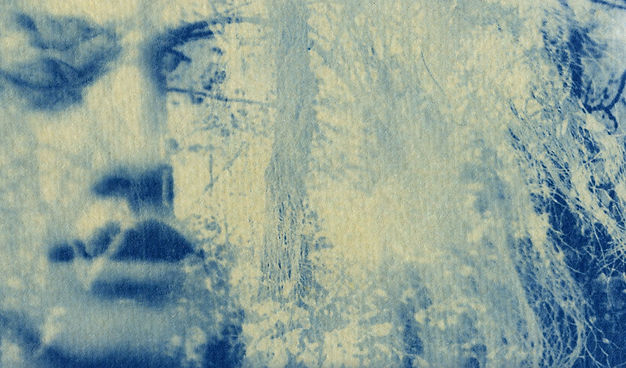
This workshop invites you to slow down and collaborate with nature.
We begin with a brief history of Anna Atkins, the first female photographer who pioneered this technique for botanical study. You will learn to hand-coat your own papers with light-sensitive minerals, creating a canvas that reacts to the London sun. Using foraged flora—some inspired by the very species found in Kew Gardens—you will compose unique silhouettes and textures. We will experiment with "wet cyanotype" techniques and toning using natural kitchen waste (like coffee or tea) to shift the iconic blue into deep blacks and sepia tones. You will leave with a series of original prints and the knowledge to continue this eco-friendly practice at home.
The Cyanotype process is a cornerstone of "Slow Photography." Unlike traditional darkroom methods, it is non-toxic, uses minimal water, and requires no electricity—relying entirely on UV light. We exclusively use FSC-certified recycled papers and locally foraged botanical elements, ensuring your art leaves a mark on the viewer, but not on the planet.
Learning outcomes:
Understand the chemistry and history of the Cyanotype process
Master the art of hand-coating various porous surfaces with light-sensitive emulsions.
Learn to calculate exposure times using natural UV light and artificial sources.
Explore botanical composition and "natural toning" techniques to alter print colors.
Create a portfolio of unique, sustainable prints using foraged and recycled materials.
bottom of page